.png)
For years, SEO in the MENA region meant chasing keywords, building backlinks, and hoping Google noticed. In 2026, that playbook is incomplete. Buyers in Riyadh, Doha, Dubai, and Karachi are increasingly starting their research inside AI assistants, and the brands they discover there are the ones whose content has been built for a different kind of reader: a machine that reads everything and only quotes what is clearest.
The shift is happening faster in MENA than in many other regions, partly because mobile penetration is higher, partly because regional buyers tend to adopt new search behaviors quickly, and partly because the local SEO industry has been slower to adapt. That gap is an opportunity. Brands that move now will own the answers their competitors are still trying to figure out how to write.
The New Name for SEO
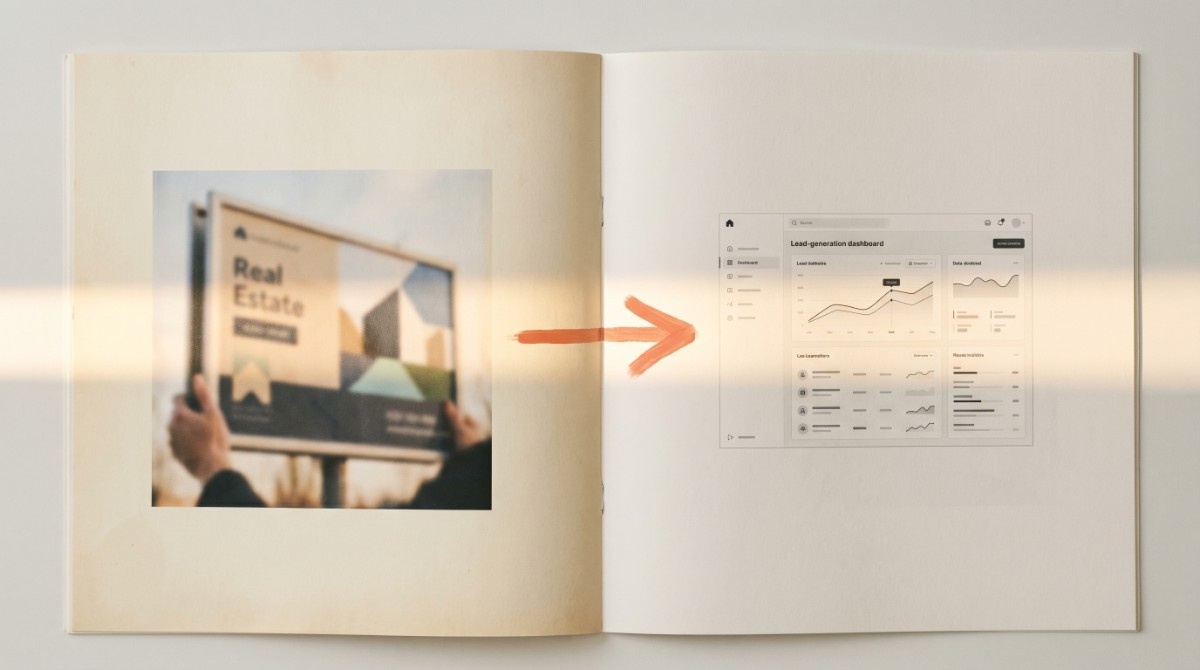
This shift has a name in industry circles, generative engine optimization, but the buyer-friendly version is simpler. It is AI search optimization, and it sits alongside traditional SEO rather than replacing it. The goal is to be visible in two places at once: in classic Google results and inside the AI summaries that increasingly sit above them.
Both layers matter. Google still drives the majority of organic traffic in the region, and traditional SEO is still the foundation. But the share of buyers who never scroll past the AI answer is growing every quarter. A brand that wins both layers is doubling its discoverability. A brand that wins only the old layer is slowly losing ground without realizing it.
.png)
Three Things That Matter More in MENA
For MENA brands, three things matter more than anywhere else. First, language. Bilingual content, written natively in both English and Arabic rather than machine translated, signals regional authority that AI systems pick up on. The difference between native bilingual content and translated content is obvious to a machine reader, just as it is to a human one. Brands that invest in real Arabic content, not just translated English, get a structural advantage that translation budgets cannot fake.
Second, local proof. Named clients, regional case studies, references to GCC market realities, mentions of specific cities, and acknowledgment of how things actually work in the region give your content the specificity that LLMs reward. A page about marketing in Dubai that names actual Dubai neighborhoods, actual local platforms, and actual local buyer behavior is many times more likely to be cited than a page that uses generic global examples.
Third, structure. Clear headings, short definitions, and direct answers to common questions make your pages easier to lift into AI responses. The model is looking for paragraphs it can quote. The easier you make that job, the more often you get quoted.
.png)
No Shortcuts, But A Real Window
There is no shortcut. Google itself has stated that there are no guaranteed methods for appearing in AI features. What there is, however, is a set of practices that consistently increase your odds. Write helpful content. Demonstrate expertise. Make your pages easy to parse. Earn mentions from credible third parties. Update content regularly so it stays current.
Brands that do this in the MENA market right now have very little competition, which is exactly why the window is open. Most regional sites are still chasing 2019-era SEO tactics. The few that adapt to AI search now will have a citation moat that is hard to displace later, because once a model treats your brand as a known authority on a topic, that perception is sticky.
The honest version of this advice is that AI search optimization is slower and less measurable than traditional SEO. There is no clean dashboard yet. What there is, is an early-mover advantage that closes a little more every month.
.png)
Book an AI visibility audit focused on MENA search positioning.
































.jpeg)