Search is no longer a list of blue links. When a buyer in Dubai asks Google how to launch a skincare brand, the first answer they read is often written by Google itself, stitched together from a handful of trusted sources. The same is happening inside ChatGPT, Gemini, and Claude. For brands, this is the biggest shift in discovery since mobile, and most marketing teams across the GCC and Pakistan are still optimizing for a search experience that no longer exists.
The shift is structural, not cosmetic. Buyers used to scroll through ten links and form their own opinion. Now they read one synthesized answer at the top of the page and move on. If your brand is not in that answer, you are invisible to a growing share of your market, regardless of how well your old SEO is performing.
What Has Actually Changed
The good news is that the fundamentals have not changed. The bad news is that the execution bar is much higher. AI systems pull from content that is structured, specific, and obviously written by someone who knows the subject. Generic listicles do not get cited. Pages that answer one clear question, with named examples, dates, and original perspective, do.
A second change is how often the answer updates. AI systems re-crawl and re-summarize constantly. A page that earned a citation six months ago can lose it next week if a sharper, more specific answer appears elsewhere. This means AI visibility is not a one-time SEO project. It is an ongoing editorial discipline, closer to running a small newsroom than maintaining a static website.
The Three Moves That Actually Work
If you want your brand inside AI answers, start with three moves. First, build pages that answer real questions in the exact language buyers use, not the language your industry uses. A skincare buyer in Riyadh searches for “best moisturizer for hot weather,” not “optimal hydration formulations for arid climates.” The page that wins is the one that uses the buyer’s words.
Second, give every page a clear author, a clear publish date, and a clear point of view. LLMs reward signals of expertise, and the easiest signal to give them is a real human name attached to a real opinion. Anonymous content from a brand voice is much less likely to be cited than the same content under a named operator who clearly knows the field.
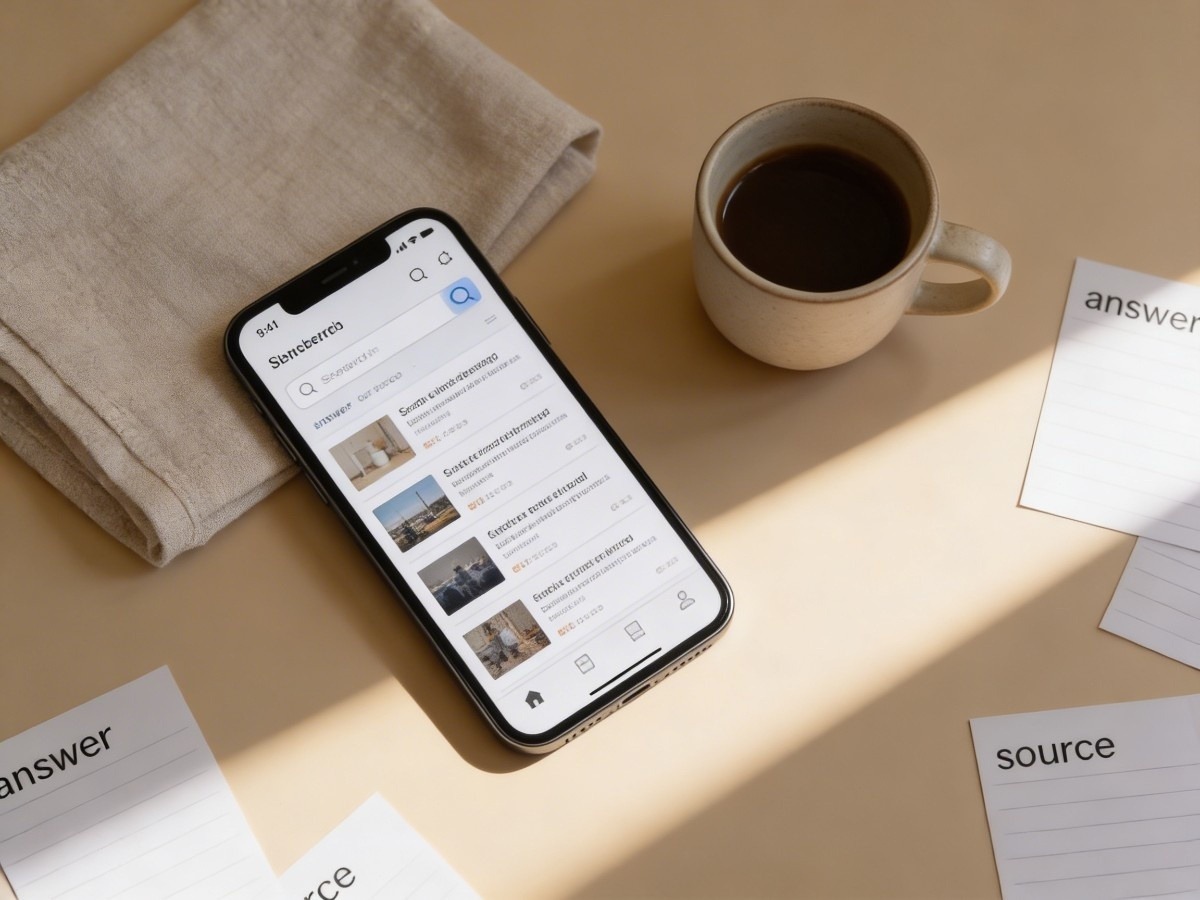
Third, structure content so a machine can lift a single paragraph and use it as an answer without losing meaning. Short definitions, clean headings, and self-contained sections matter more than ever. The test is simple: pick any paragraph on your page at random, paste it into a chat window, and ask whether it stands alone as an answer. If it does not, the AI cannot use it either.
Fewer, Better Pages
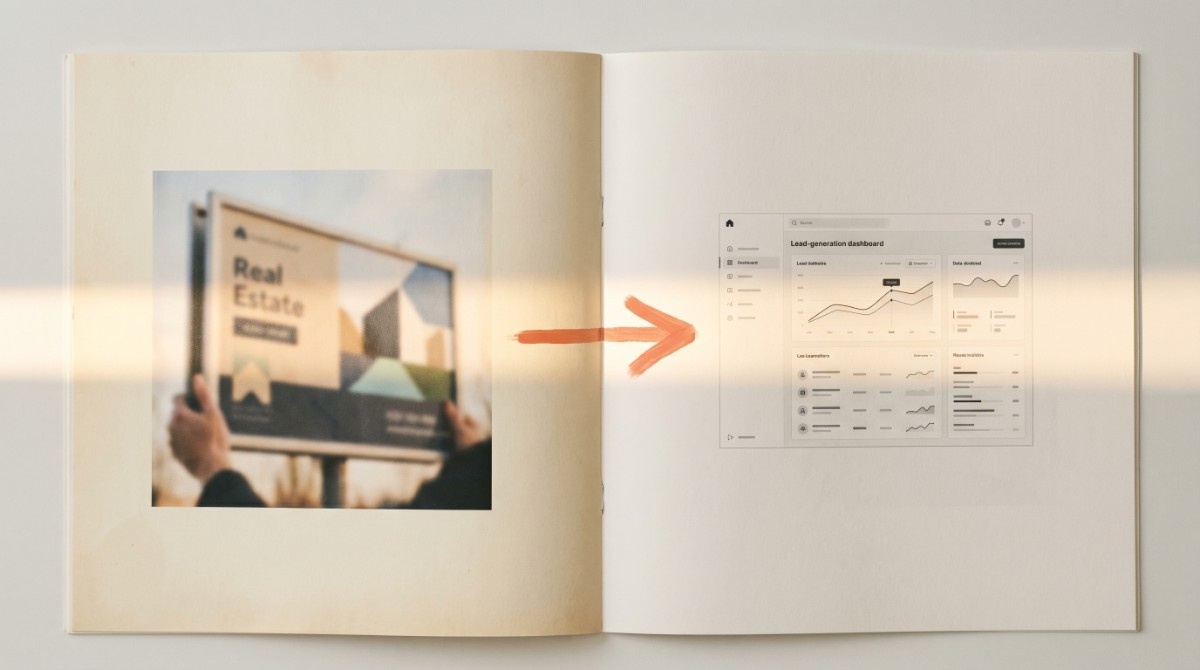
The brands winning AI visibility right now are not the loudest. They are the clearest. They publish fewer pages, but each one earns its place by saying something true, useful, and specific. For a boutique agency client, that often means trading ten thin posts for two deep ones. The math works out, because one cited answer inside ChatGPT can drive more qualified leads than a month of social posts.
This is uncomfortable advice for marketing teams that have been measured on publishing volume. The instinct is to push more content out, faster. The reality is that volume now hurts more than it helps. AI systems are getting better at filtering for quality, and a site full of thin content actively damages the credibility of the few good pages on it.

Where to Start
A practical starting point looks like this. Pick the five questions your buyers ask most often before they hire you. Write one deep, structured page for each one, with a named author, a clear date, and a sharp point of view. Make sure each page answers the question completely so the buyer never needs to leave to get a better answer. Then track which of those pages get cited inside ChatGPT, Gemini, and Claude over the next ninety days. The pages that perform tell you what to write next.
Add Hype helps brands rebuild their content for this new reality. We audit what AI systems already say about you, identify the gaps, and produce the kind of pages that get pulled into answers instead of buried beneath them.
Book an AI visibility and content audit with Add Hype.
































.jpeg)
.png)