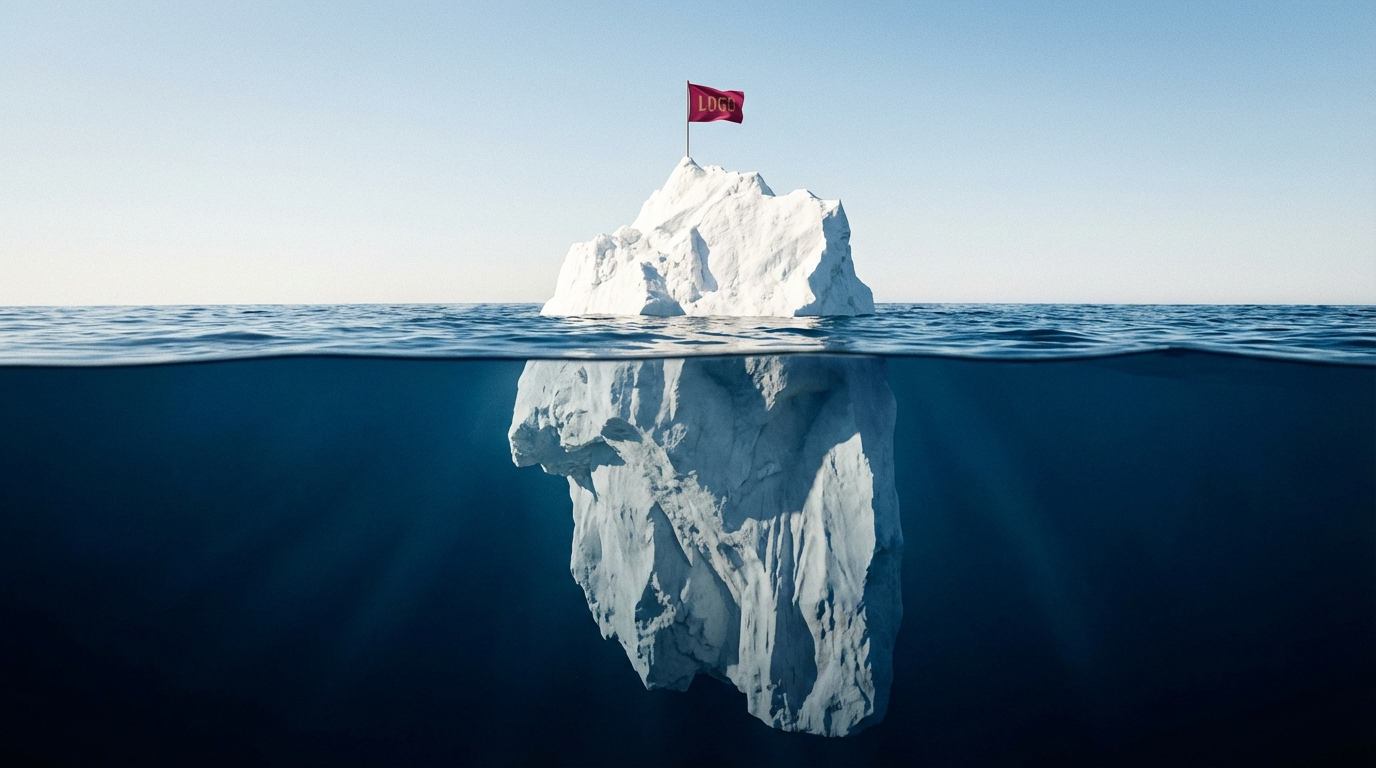
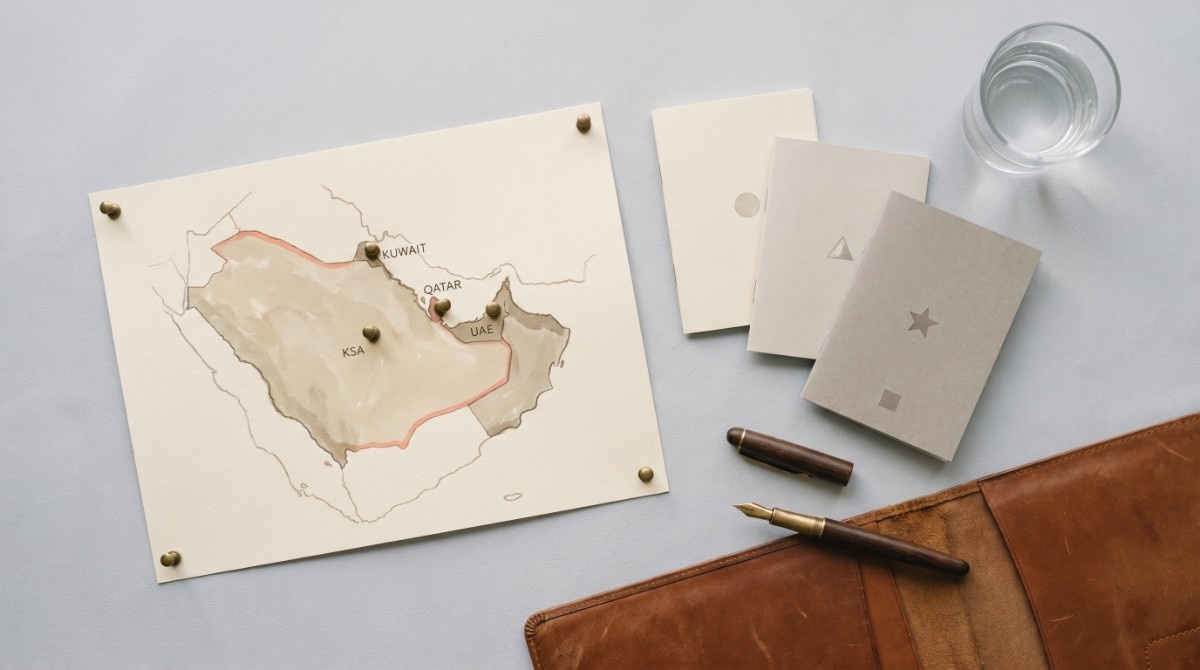
Most founders in the region, when they say they need branding, mean they need a logo. They want a mark, a colour, maybe a font, and a small set of files they can hand to whoever builds the website. This is not branding. It is decoration, and in 2026 decoration is no longer enough to compete in the UAE, KSA, Qatar, or Pakistan, where buyers have access to global brands on their phones and the bar for what looks credible has climbed every year.
The confusion is understandable. For a long time, the branding industry sold logos as if they were brands, because logos are easy to invoice and easy to deliver. The result is a region full of businesses with beautiful marks and no actual brand underneath. The marks look fine. The businesses struggle to be remembered.
What a Brand Actually Is
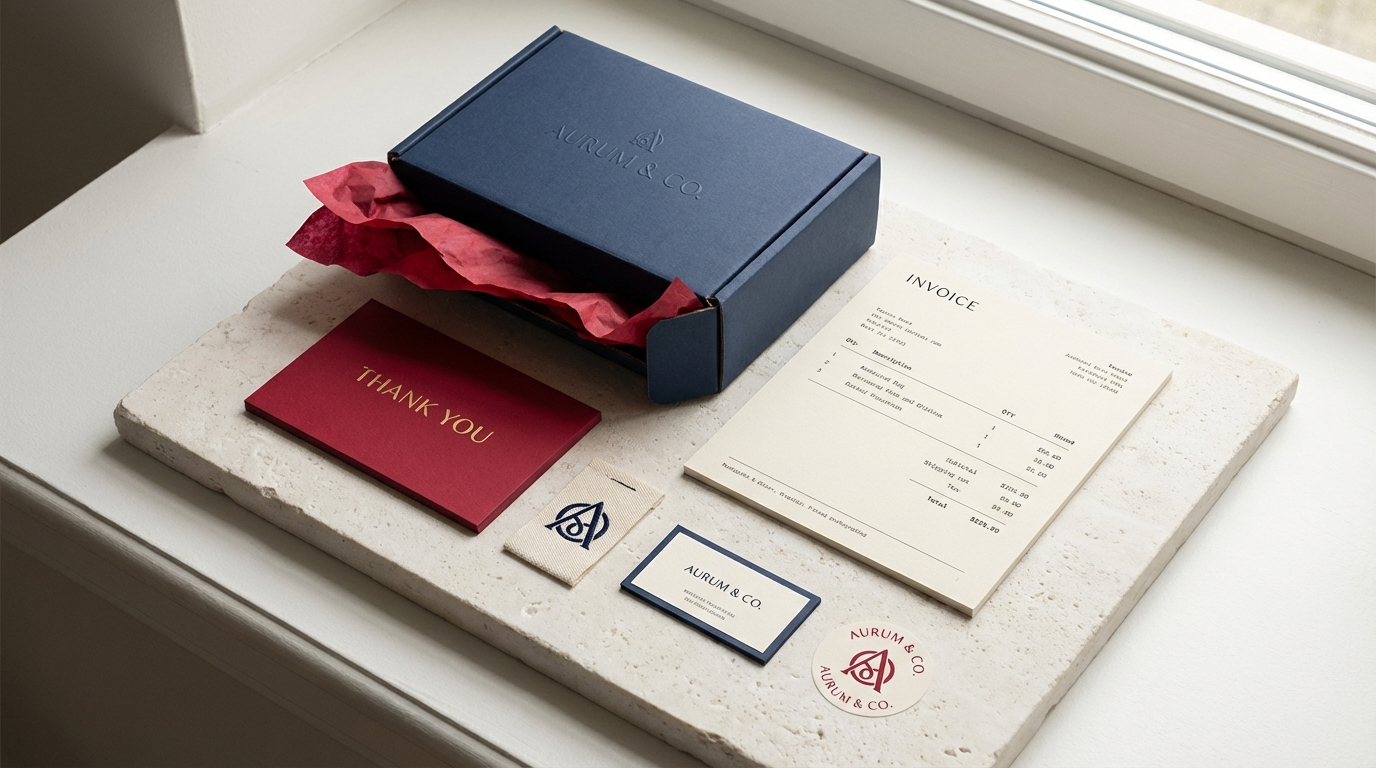
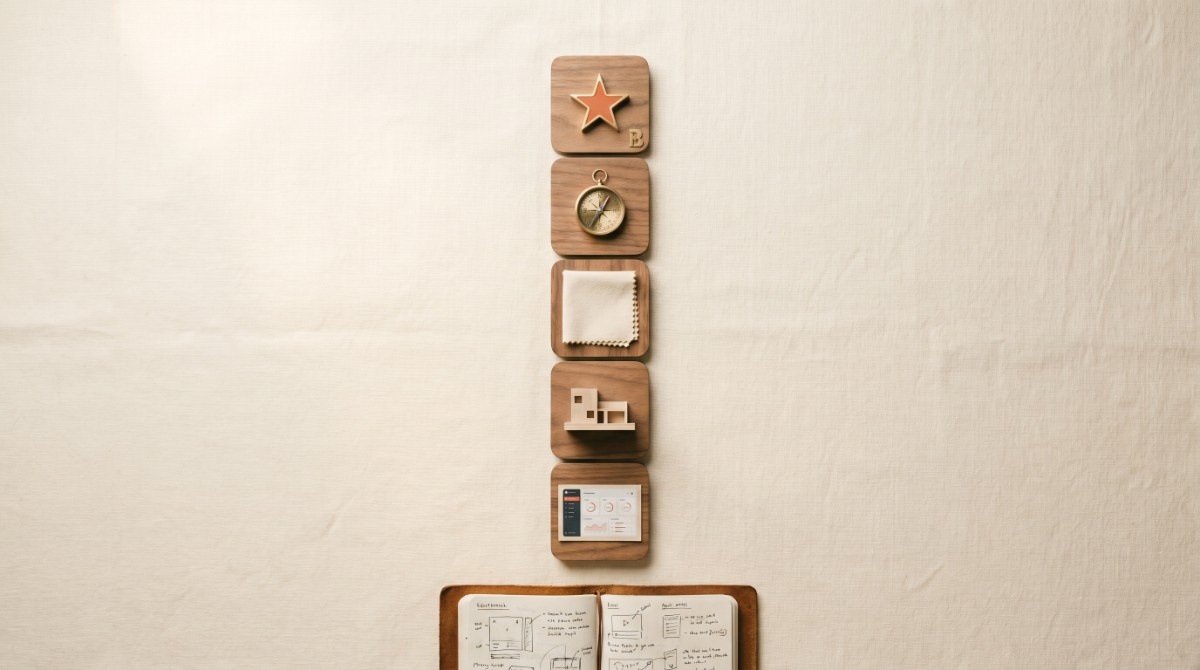
A brand is what people say about you when you are not in the room. The logo is the smallest possible signal of that, the equivalent of a name tag at a conference. The actual brand lives somewhere else entirely. It lives in the tone of your captions, the rhythm of your photography, the way your customer service replies to a complaint at 11pm, the smell of your packaging when it arrives, the way your founder shows up on a podcast, the colour of the receipt at checkout, the sound of the voice note from your sales team.
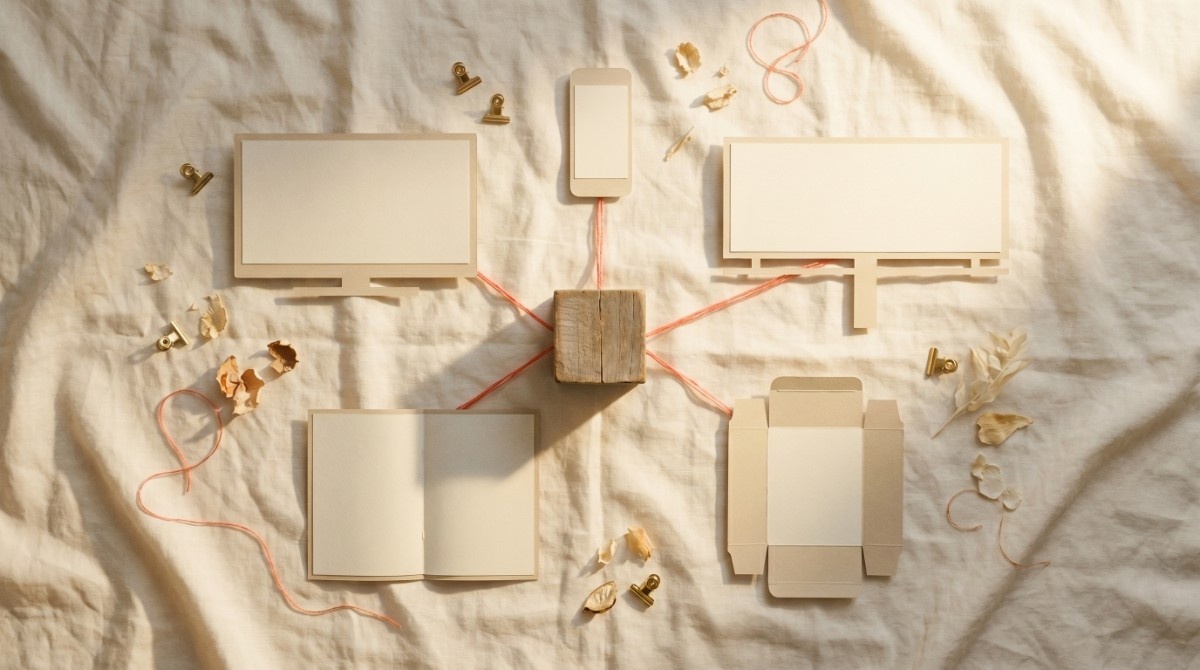
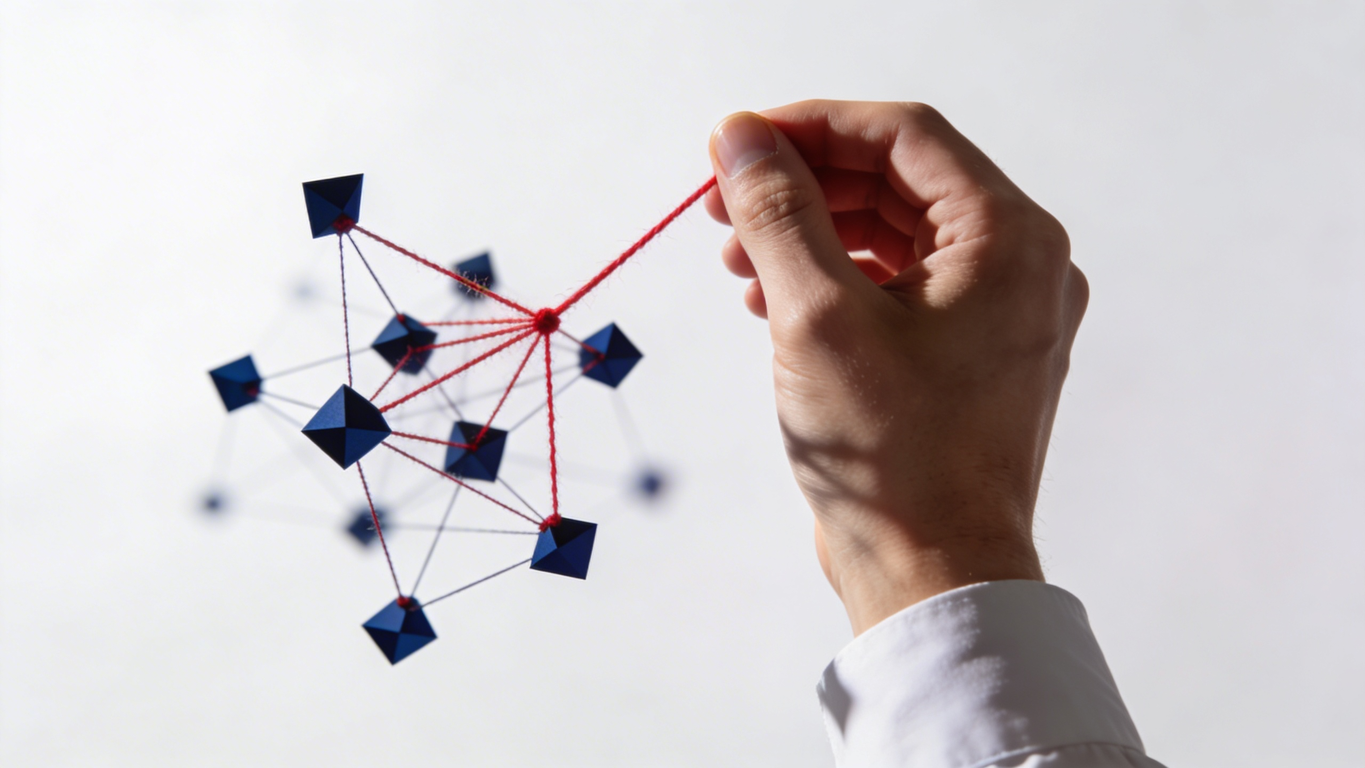
A logo cannot do any of this work. Only a brand system can, and a brand system is what most regional businesses are missing. The brands that grow fastest in the GCC and Pakistan are not the ones with the prettiest logos. They are the ones whose touchpoints all feel like one thing, even when each touchpoint is small.
How to Actually Build One
Building a real brand is not as expensive as it sounds. It starts with three questions answered honestly, in plain language, before any designer is hired.
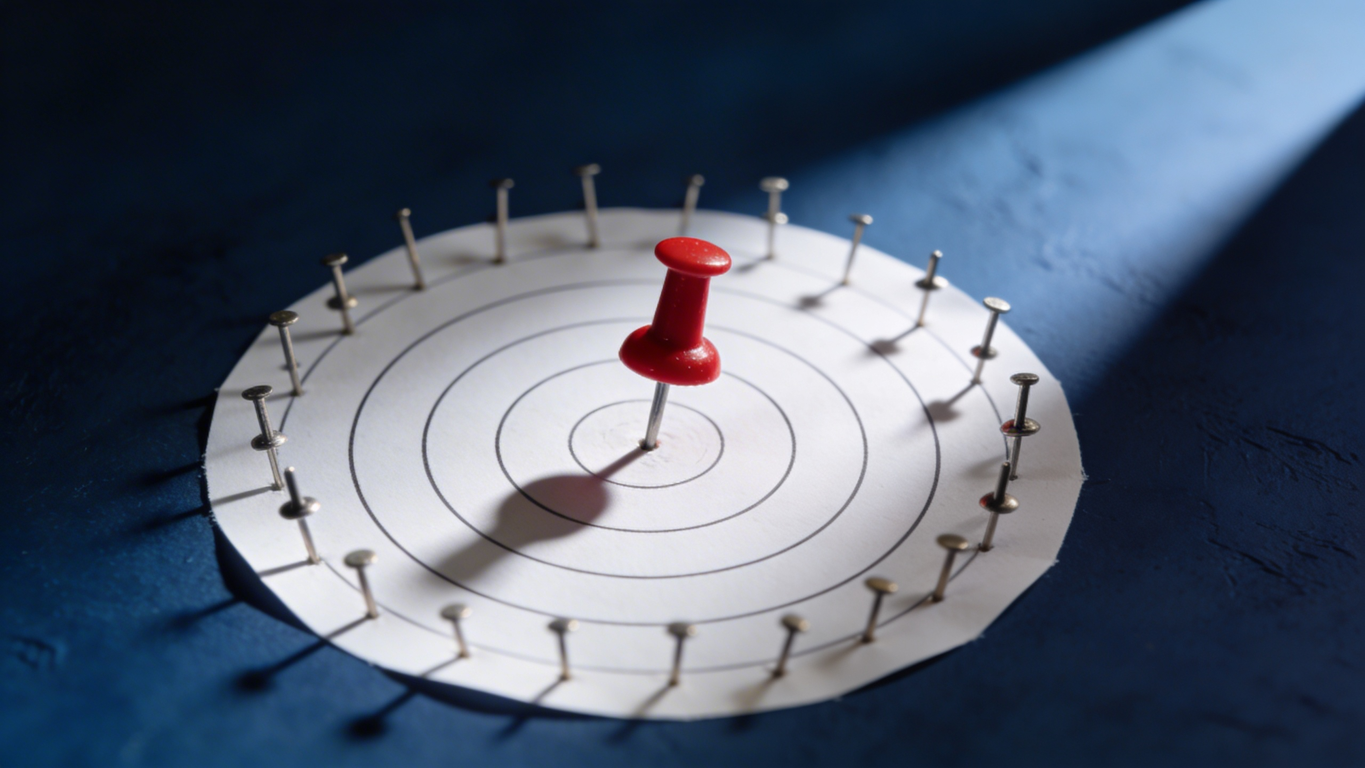
What does this brand stand for that the competition does not. Not what is your mission statement, but what would people in your category disagree with you about. If everyone in your industry would nod at your answer, your answer is not sharp enough.
Who is the one buyer it is built for, specifically. Not your target demographic, but a single real person you can describe in detail. What they read, what they fear, what they have already tried, what they would say about you to a friend.
What is the feeling someone should have within ten seconds of encountering it for the first time. Calm. Excited. Curious. Reassured. Surprised. The feeling decides everything else. The visuals serve the feeling. The voice serves the feeling. The product serves the feeling.
From these three answers, every other decision flows. The visuals, the voice, the products, the website, the way the team hires, the way the founder writes a LinkedIn post on a Tuesday morning. Without these answers, the brand is just a logo on top of a guess.
Why This Matters More in 2026
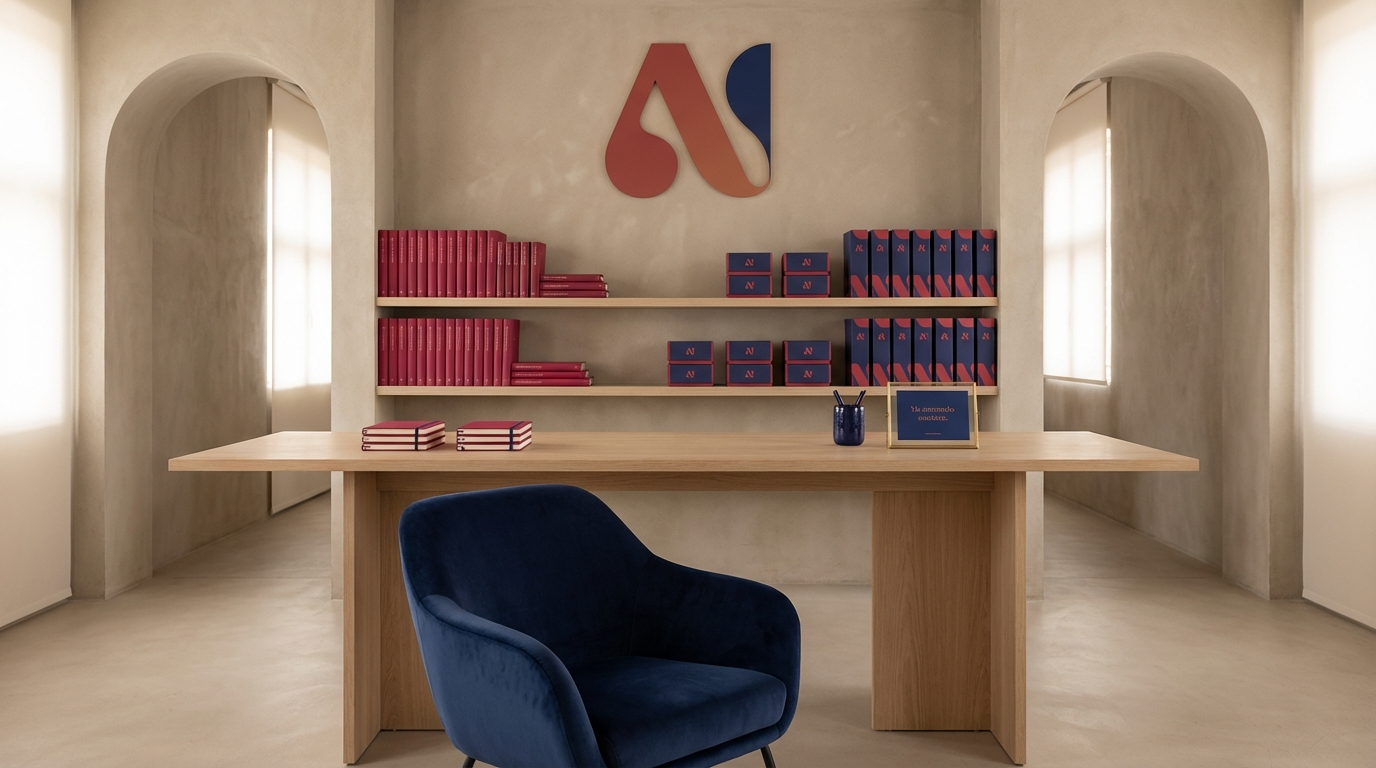
The reason this matters more in 2026 than in any previous year is that buyers have more choice than ever, and AI is making decoration easier than ever. Anyone can generate a logo in five minutes. Anyone can create a colour palette in thirty seconds. The ability to look like a brand has been completely commoditised. The ability to actually be one has not.
The brands that grow in the region in 2026 will be the ones that treat branding as a long term operating system instead of a one time design project. The logo is the easy part. Everything else is the work, and the work is what compounds. Five years from now, the businesses that are still here will be the ones that built a brand. The ones with only a logo will have been replaced by the next business with a slightly nicer logo.
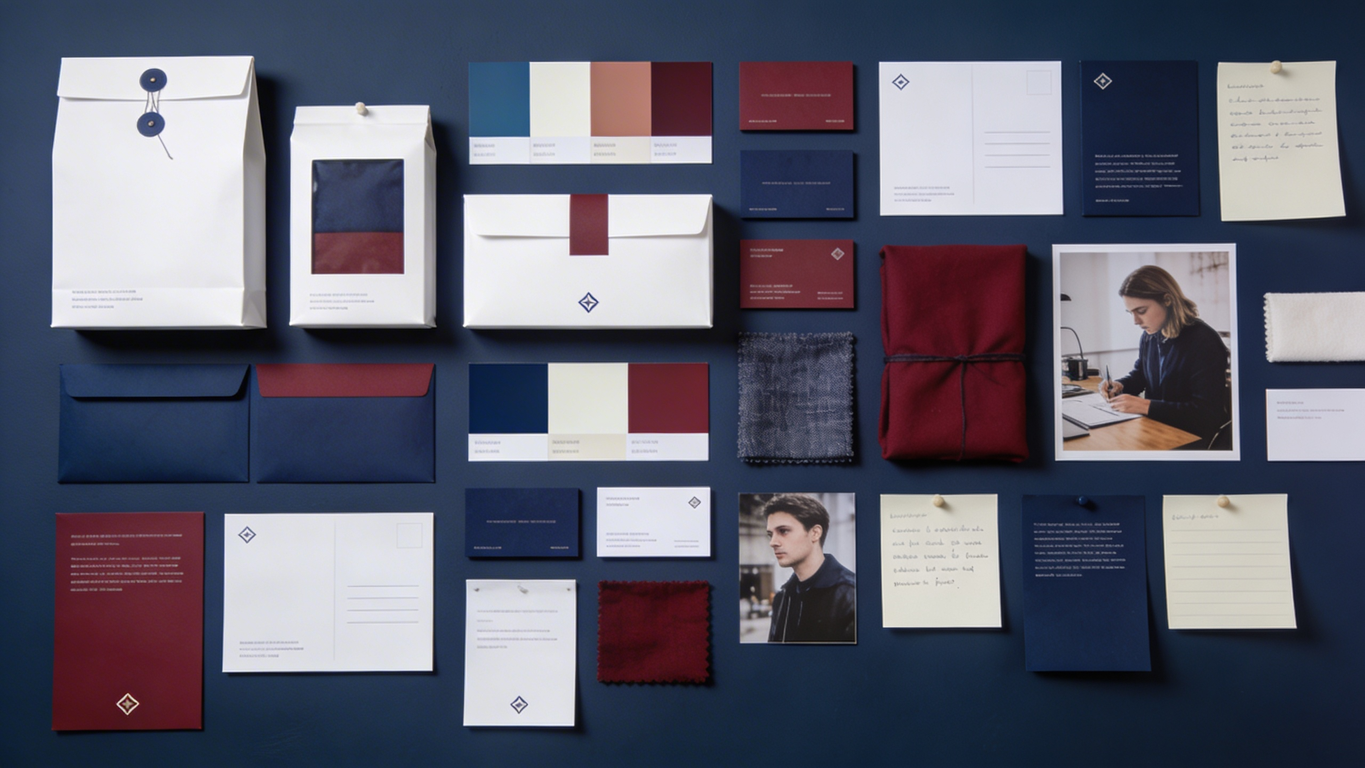
Need branding that goes beyond a logo and works as a full system? Add Hype can build it.



.jpeg)
.png)