The honest answer is that AI is already replacing parts of what agencies used to do. First drafts of copy, basic image generation, performance reporting, audience research summaries, even early-stage strategy outlines, are now things a smart founder can produce in an afternoon with the right tools. Pretending otherwise is a disservice to the buyers asking the question, and the agencies that pretend hardest tend to be the ones losing the most ground.
The more useful question is what AI cannot do, and it turns out the answer is most of what actually moves a brand forward. The work that matters most in marketing has always been the work that is hardest to systematise, and that is exactly the work AI is worst at.
What AI Cannot Do, Even on Its Best Day
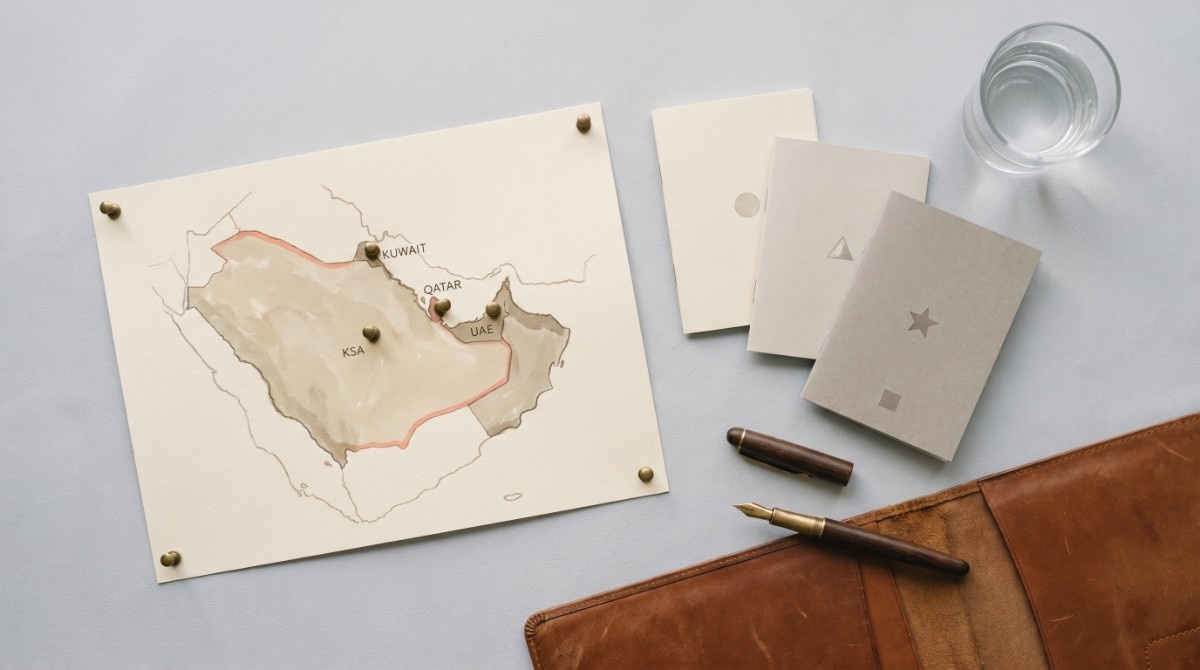
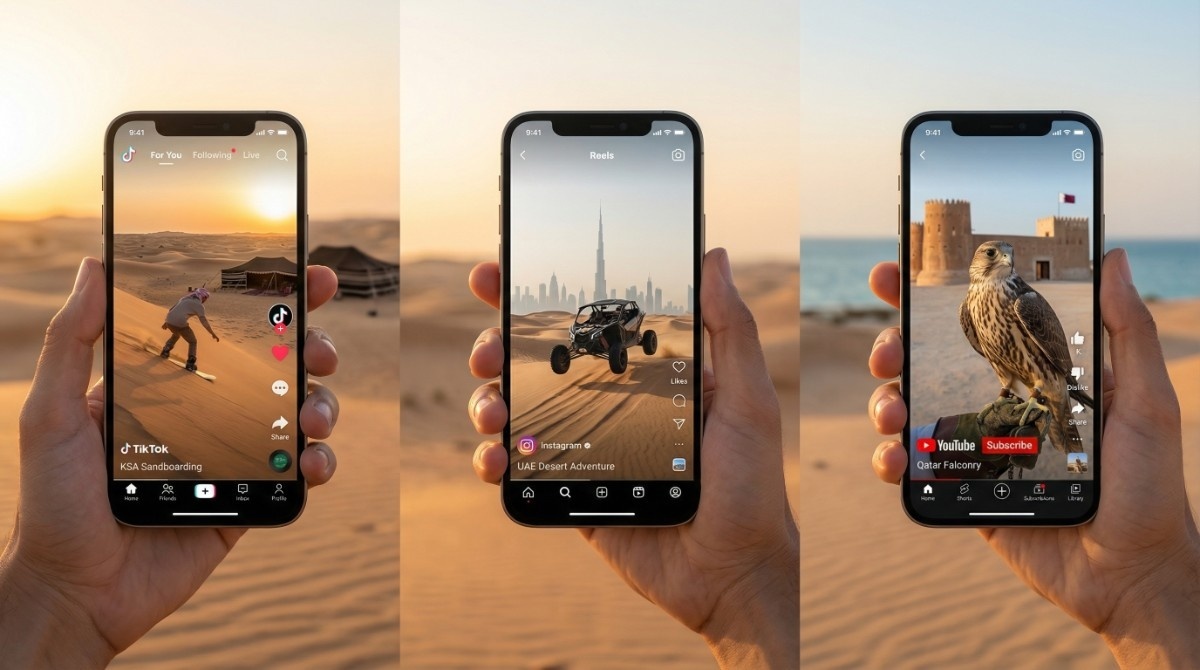
AI can generate a hundred captions, but it cannot tell you which one will land in Riyadh and fall flat in Lahore. Cultural nuance is not a pattern problem, it is a lived problem. The same joke that builds trust in one market builds suspicion in the next, and no model trained on the global internet can reliably tell the difference at a regional level.
AI can produce a logo in seconds, but it cannot sit across from a founder and translate a messy ten-year vision into a coherent identity. That conversation requires reading the room, asking the question the founder did not know they needed, and pushing back when the easy answer is the wrong one. None of that is in the training data.
AI can summarize a market, but it cannot read the room when a launch is about to go sideways and decide which lever to pull. Real campaigns break in real ways, and the difference between a campaign that recovers and one that collapses is almost always a person making a fast judgment call with incomplete information. AI gives you the options. It does not pick the right one.

What Boutique Agencies Are Actually Selling
Boutique agencies earn their fee in the space between execution and judgment. Taste, regional nuance, stakeholder management, creative direction, and the ability to translate a business problem into a creative answer that actually works in market. These are not tasks that can be unbundled and automated. They are skills built over years of doing the work, of being wrong in public, and of learning what the slide deck never teaches.
A good boutique agency in 2026 uses AI heavily for the parts that should be automated. First drafts. Research summaries. Asset variations. Performance reporting. The time saved goes back into the parts that compound: deeper strategy, more creative iteration, more conversations with the founder about what the brand is actually trying to become. The agencies that resist AI are slower and more expensive than they need to be. The agencies that lean into it are sharper and faster, but the value the buyer is paying for is still the human judgment underneath.

The Real Future Is Hybrid
The brands that thrive in 2026 will be the ones that use AI to compress the boring parts of marketing and invest the time saved into the human parts that compound. A boutique agency that uses AI well is faster, sharper, and more affordable than the one that ignores it. A founder who tries to replace the agency entirely with AI ends up with a hundred captions, no strategy, and a brand that looks like every other AI-built brand on the feed.
The agency itself, the people inside it, are what the buyer is actually paying for. AI is the tool on the table. The hand holding the tool is still what matters.
Need a boutique team that uses AI well but still leads with judgment and taste? Talk to Add Hype.






























.jpeg)
.png)