The creator economy has matured into something more confusing, not less. A brand in 2026 can spend on a celebrity influencer, a micro-creator with ten thousand followers, a UGC producer who never shows their face, or a community manager who quietly turns customers into advocates. Each of these is sometimes called the same thing in pitches and decks, and each delivers something completely different in practice. Paying for the wrong one is one of the most common ways marketing budgets get burned in the GCC and Pakistan.
The agencies and platforms selling these services often blur the categories on purpose, because clarity makes negotiation harder for them. The brands that get real value out of creator spend are the ones that understand exactly what they are buying before the contract is signed.
What You Are Actually Buying
The simplest way to think about it is by what you are actually buying. With a celebrity or macro influencer, you are buying reach and the borrowed credibility of a known face. The audience is broad, the engagement rate as a percentage is usually low, and the value is brand awareness rather than direct conversion. This works for established brands that need recognition at scale and rarely works for early-stage brands that need to prove the product first.
With a micro-creator, you are buying trust inside a specific community. Followers in the five thousand to one hundred thousand range tend to engage at much higher rates because the relationship feels personal. The right micro-creator in Riyadh, Dubai, Doha, or Lahore can move product in a way a celebrity post cannot, because their audience treats them as a friend rather than a billboard.
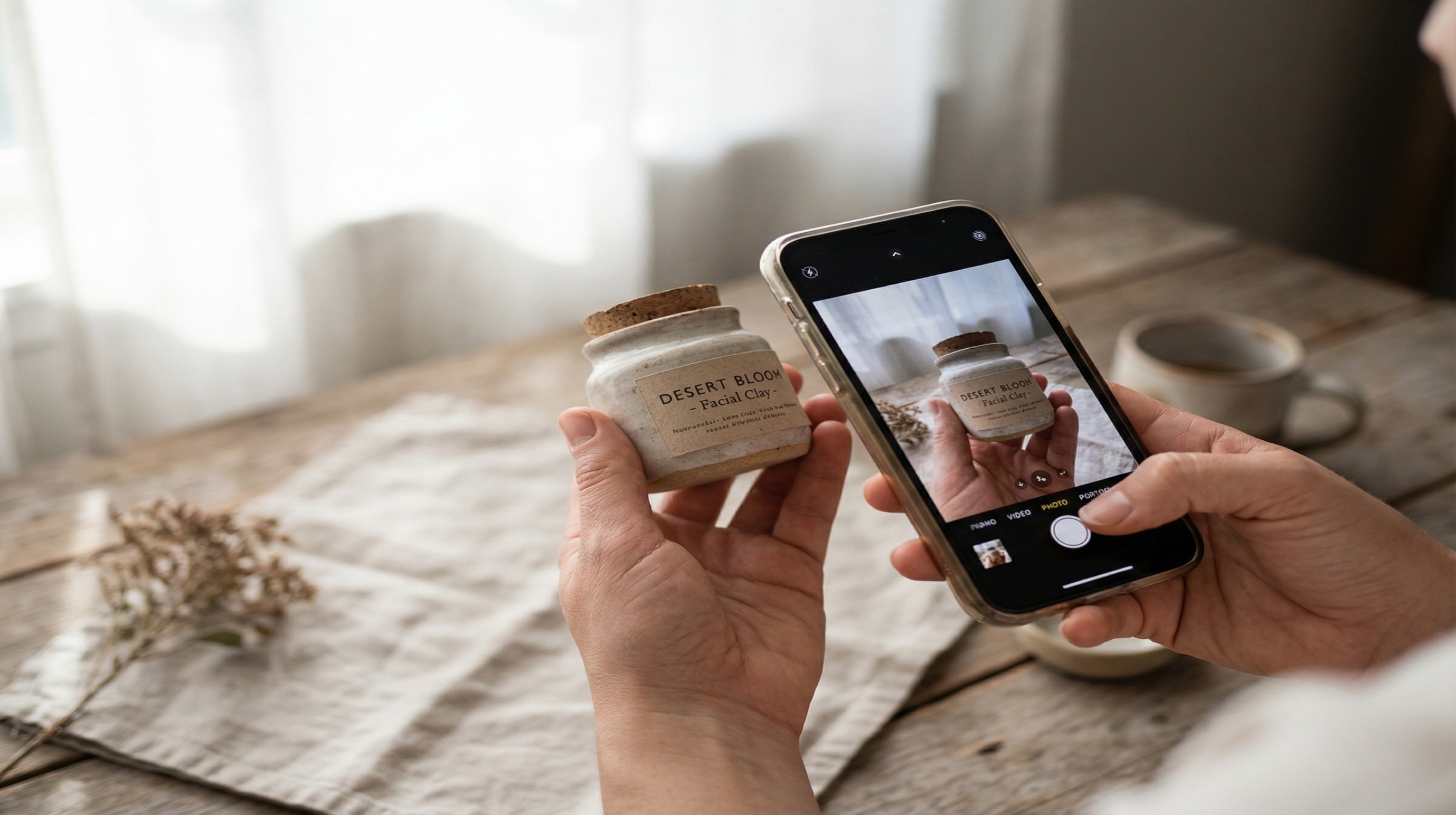
With a UGC producer, you are buying creative assets that look native to a platform and can be used in paid media without feeling like an ad. The brand owns the footage and runs it through Meta or TikTok ads. This is often the highest-ROI creator spend a brand can make in 2026, because the content cost is low and the media spend is what drives results.
With a community manager or advocate program, you are buying long-term word of mouth that compounds. This is the slowest moving and highest compounding of the four. It rarely shows up in a quarterly report and almost always shows up in an annual one.

Pricing Without Public Benchmarks
Pricing in the GCC and Pakistan varies wildly, and the lack of public benchmarks makes negotiation difficult. A few practical guidelines that hold up in 2026. Brands should expect to pay for usage rights separately from creation, because bundling them lets the creator quietly underprice the rights and overcharge the next time. Budget for at least three pieces of content per creator before judging the partnership, because the first piece is almost never the best one. And never pay full rate on a first collaboration without performance data attached, even when the creator pushes back.
The biggest mistake is treating creator spend as a one-off line item instead of a portfolio. A single celebrity post is almost always a worse investment than ten micro-creator posts plus a UGC bundle, even when the headline numbers look similar. The portfolio approach also gives you data, which is the only thing that compounds over time. After three months of running a portfolio, you know which creators, which formats, and which messages actually move the needle, and you can spend the next quarter doubling down on what works.
The Right Mix for Your Stage
The right mix depends on the stage of the brand, not the trend of the moment. Early stage brands almost always get more value from UGC and micro-creators because the assets can be reused across paid media and the cost per learning is low. The goal at this stage is to find what resonates, not to maximize reach.
Established brands benefit from a balanced mix that includes a small number of larger partnerships for credibility, with the bulk of the budget still going to micro and UGC. The larger partnerships function as proof points that make the smaller content more credible by association. They are not the engine of the strategy. They are the badge on top of it.
Almost no brand benefits from spending the entire budget on one celebrity post and hoping. That is not a creator strategy, it is a lottery ticket. The brands that win in the region in 2026 are the ones that build a creator portfolio the same way they build a product line, with intention, measurement, and patience.

Need a creator mix that actually fits your budget and paid media plan? Add Hype can map it.

































.jpeg)
.png)