
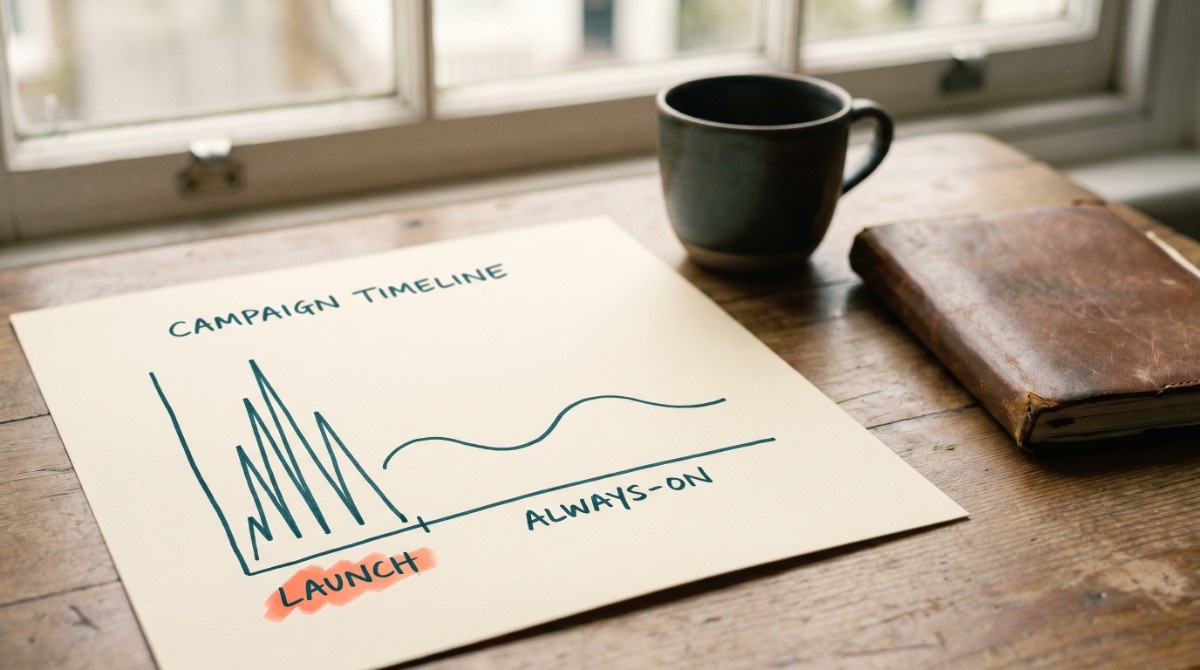
Launch and always-on are two different financial instruments wearing the same word. A launch is a concentrated bet designed to create a moment the market cannot ignore. Always-on is compounding infrastructure designed to never let the market forget. Brands fail by funding one and calling it both, and the symptom is always the same: a loud quarter followed by silence, or a steady murmur that never breaks through.
What each one is for
Launches buy three things: attention spikes, distribution leverage, and a date around which the company can organise itself. Always-on buys three different things: memory maintenance, search and social presence at the moment of buyer need, and the data exhaust that makes every future campaign smarter. Neither substitutes for the other, because attention decays without maintenance and maintenance never creates the spike that opens doors.
The splits that work
For launch-stage brands in year one: roughly 60 percent of the annual budget into one or two launch windows, 40 percent into always-on. The brand does not exist yet, so moments matter more than maintenance. For established brands: the ratio inverts to roughly 30 percent launch windows and 70 percent always-on, because memory maintenance is now the asset being protected. Considered-purchase categories like real estate and healthcare hold always-on higher year-round, since the buyer's moment of need arrives on their calendar, not yours. Our client splits across Roche, Bioderma, and Etat Pur all live within these bands, tuned by category.

Different KPIs, different teams, different tempo
The deeper discipline is separating the operating systems. Launch KPIs are spike metrics: reach, share of voice, earned coverage, distribution wins, launch-window sales. Always-on KPIs are curve metrics: cost per acquisition trend, repeat rate, branded search growth, content efficiency. Judging always-on by spike standards kills it in month three. Judging a launch by efficiency standards strangles it before it ignites. One budget meeting, two scoreboards.
The handoff most brands miss
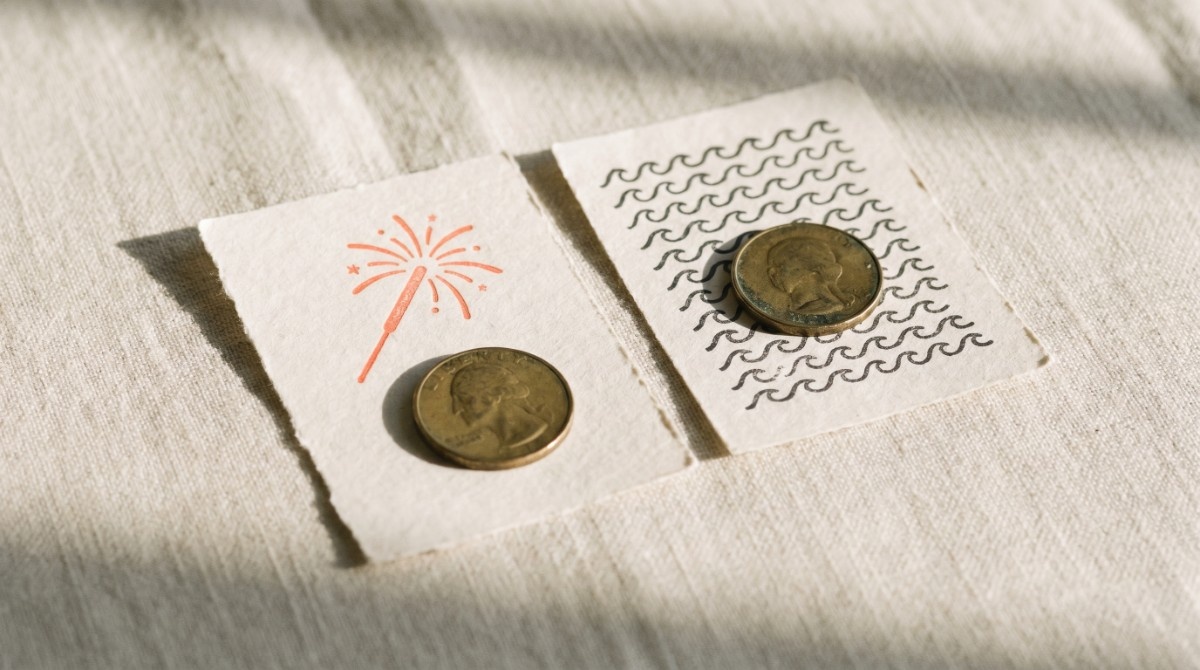
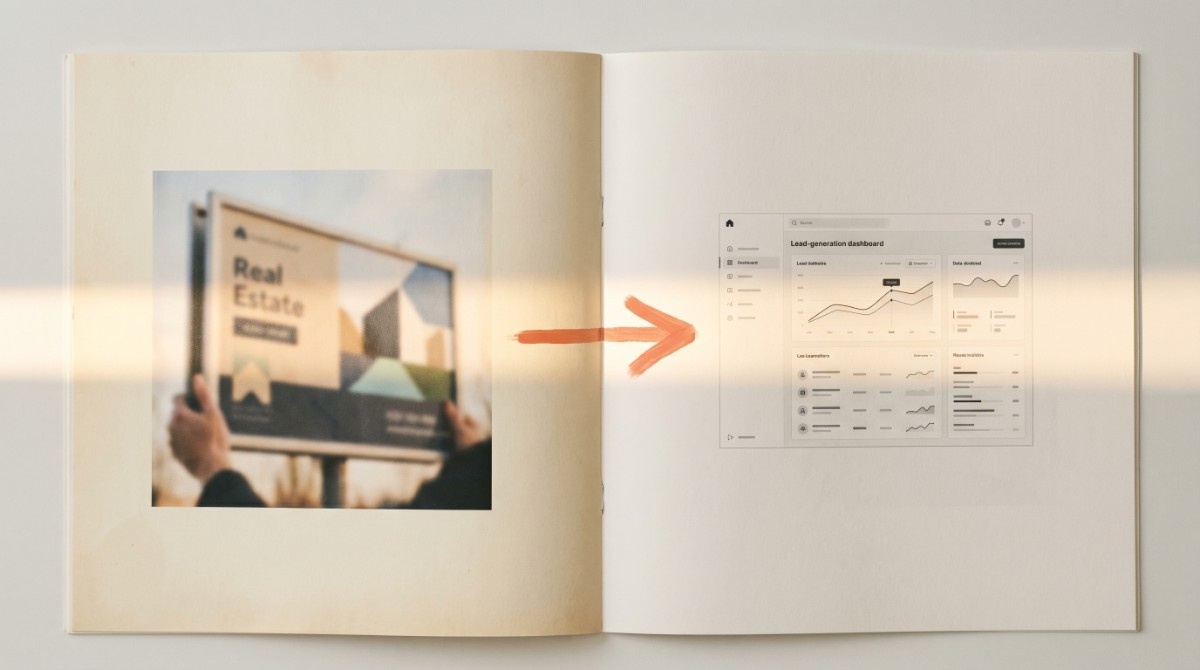
The highest-leverage moment in the entire system is the handoff: the two weeks after the launch window when attention is peaking and most brands go quiet to recover. Always-on should be funded and loaded before the launch fires, so retargeting pools, content calendars, and CRM journeys catch the attention the launch created. A launch without a catcher is the single most expensive waste pattern in regional marketing.

Key takeaways
- Launch buys moments and leverage. Always-on buys memory and data. Neither substitutes for the other.
- Year-one brands: roughly 60/40 toward launch. Established brands: roughly 30/70 toward always-on.
- Considered-purchase categories hold always-on higher because the buyer chooses the moment.
- Two scoreboards: spike metrics for launches, curve metrics for always-on.
- Fund the catcher before the launch fires. The handoff is where the money compounds or evaporates.
Sources
- Nielsen marketing effectiveness research.
- Add Hype budget structures across Roche, Bioderma, and Etat Pur engagements.
Add Hype plans launch and always-on as one system with two scoreboards. If your split needs auditing, write to us at hype@weaddhype.com.


































.jpeg)
.png)