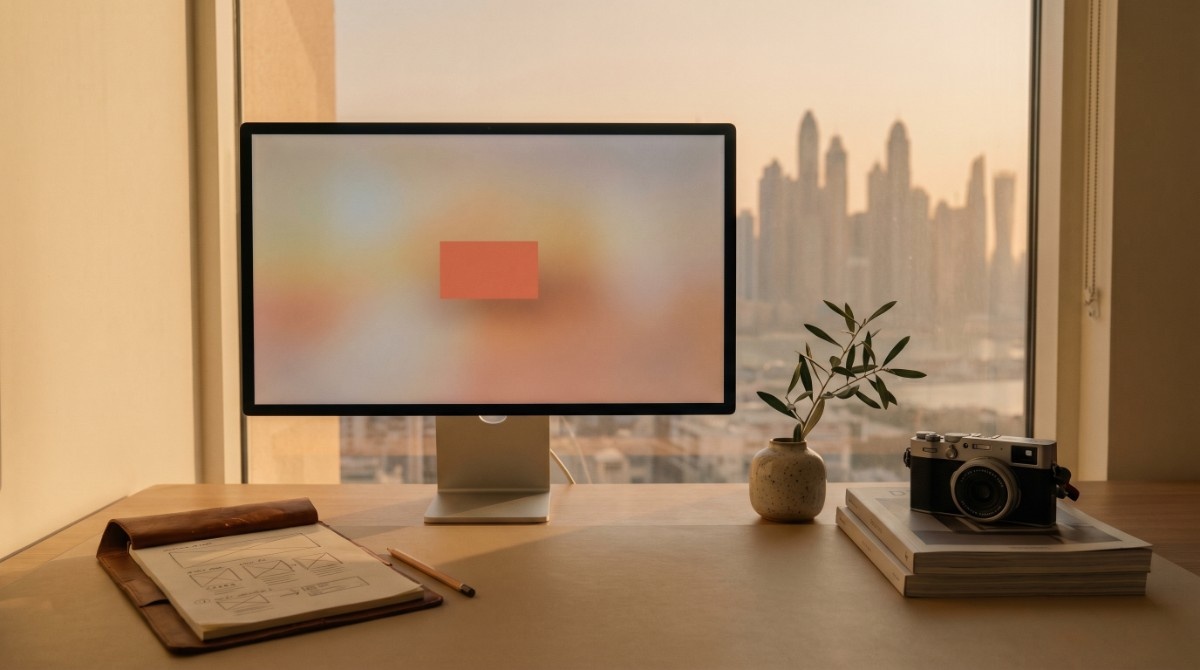
Global luxury playbooks keep underperforming in Dubai for one reason: they are written for a buyer who needs convincing that they belong in the store. The Dubai luxury buyer has no such doubt. This is one of the most luxury-fluent cities on earth, where the buyer is younger than the global average, spends with intent, and reads brand signals with professional-grade literacy. Marketing to them requires a different posture entirely.
The buyer, accurately described
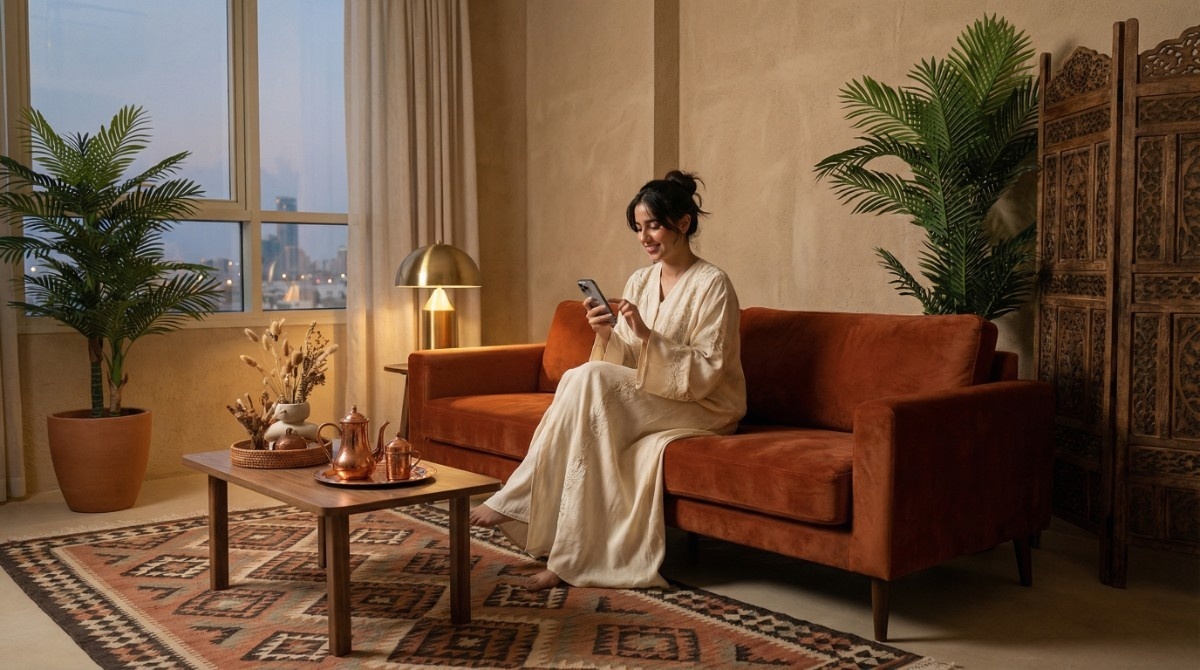
Dubai's luxury demand stacks three audiences: resident wealth across Emirati and expatriate communities, tourist wealth flowing through the city year-round, and a young regional buyer for whom luxury is fluency rather than aspiration. They share one trait: they have seen everything. Generic global campaigns register as wallpaper. What moves them is access, personalisation, and proof that the brand made an effort specifically for this city.
What actually works
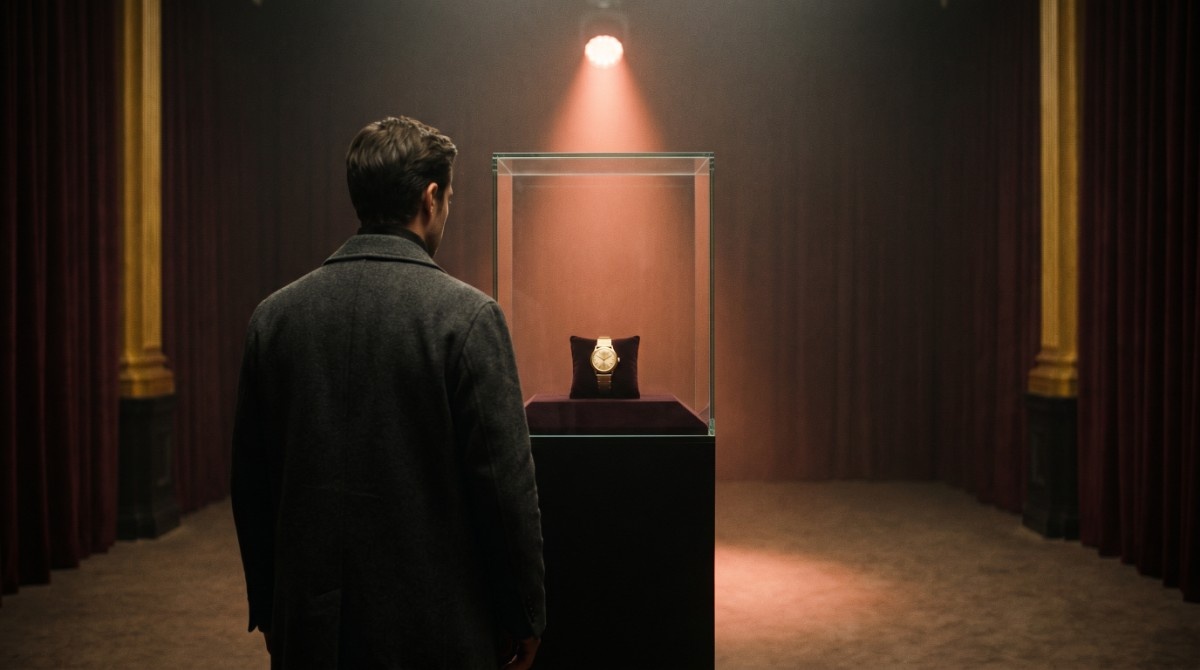
Experience-first marketing outperforms media-first marketing in this category. A private viewing, a craftsmanship dinner, a Dubai Watch Week presence done with substance: these create the conversations that luxury actually trades in. The work we have touched across beauty and luxury retail, from MAC and Bobbi Brown to Tom Ford and Dubai Watch Week activations, points the same way: the moment beats the impression, and the impression should be of the moment.
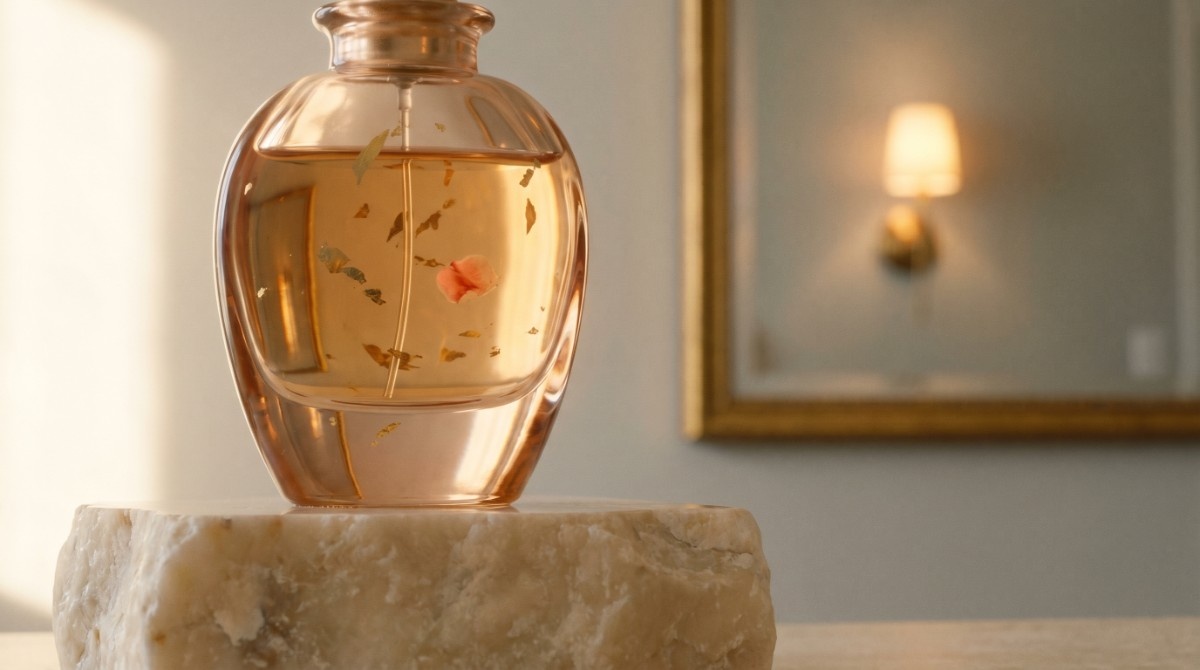
The localisation trap
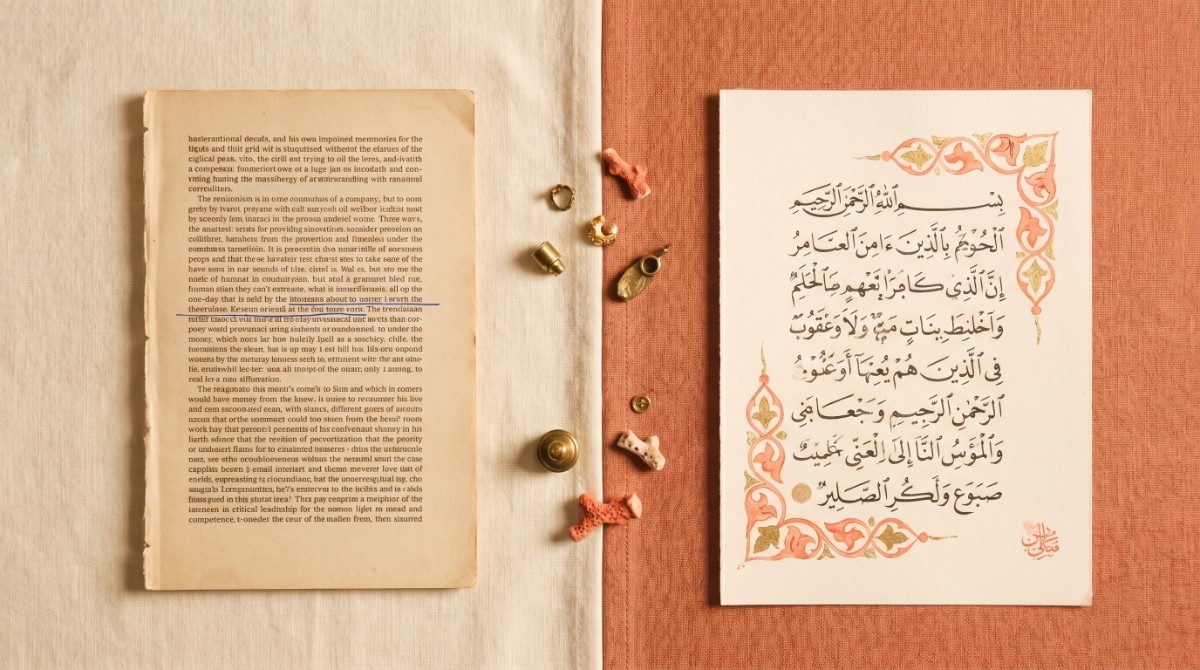
Localisation in Dubai luxury fails in both directions. Too little, and the brand reads as a duty-free copy of its Paris self. Too much, and it reads as costume: forced Arabic calligraphy, desert clichés, Ramadan creative with no idea inside it. The standard is cultural respect executed with the same craft discipline as the global work. Regional codes belong in the work when they carry meaning, never as decoration.
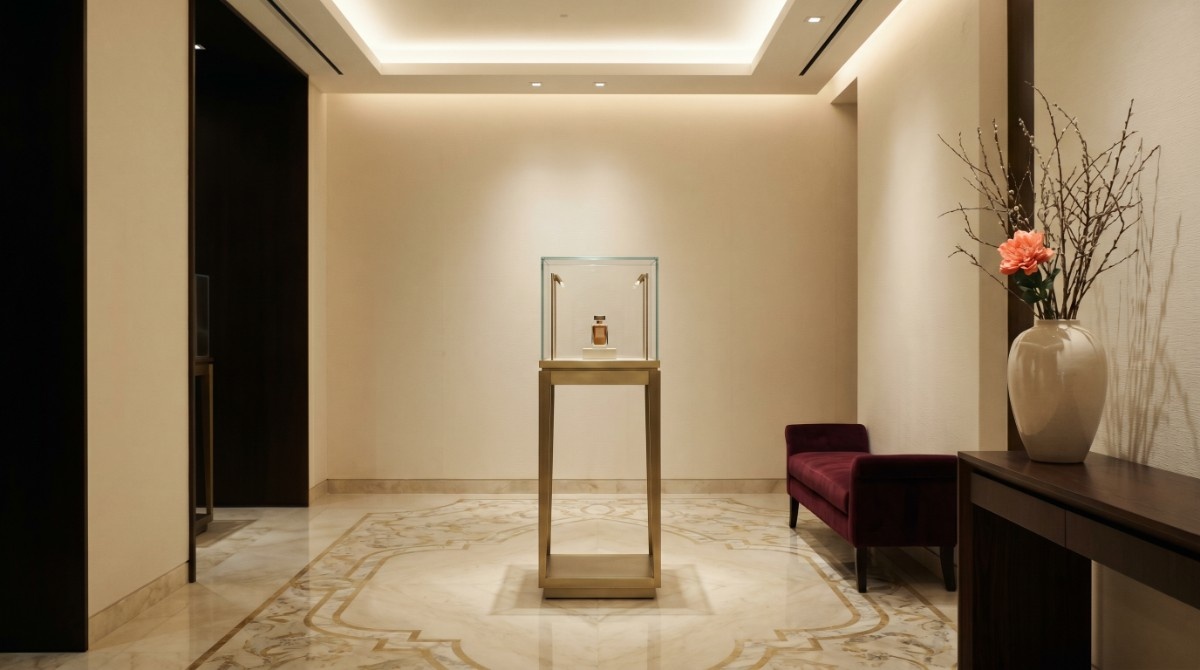
Where boutique launches beat networks
Boutique luxury launches in Dubai consistently outperform network-run launches on speed and intimacy. The category runs on relationships: the right fifty guests, the right three creators whose taste is actually trusted, the right private moment before the public one. Networks buy reach. Boutiques engineer rooms. In this category, the room is the media.
Key takeaways
- The Dubai luxury buyer is younger, more fluent, and harder to impress than the global average.
- Experience-first beats media-first. The moment is the asset, the impression is its echo.
- Localisation fails in both directions. Codes belong when they carry meaning, never as decoration.
- Access, personalisation, and city-specific effort are what register.
- The room is the media. Boutique launches win because they engineer better rooms.
Sources
- Bain Luxury Goods Worldwide Market Study.
- Dubai Watch Week.
- Add Hype luxury and beauty work across MAC, Bobbi Brown, Tom Ford, and Black Tulip.
Add Hype builds luxury launches in Dubai with the intimacy the category demands. If your brand needs a room engineered, write to us at hype@weaddhype.com.





.jpeg)
.png)